
Lawn
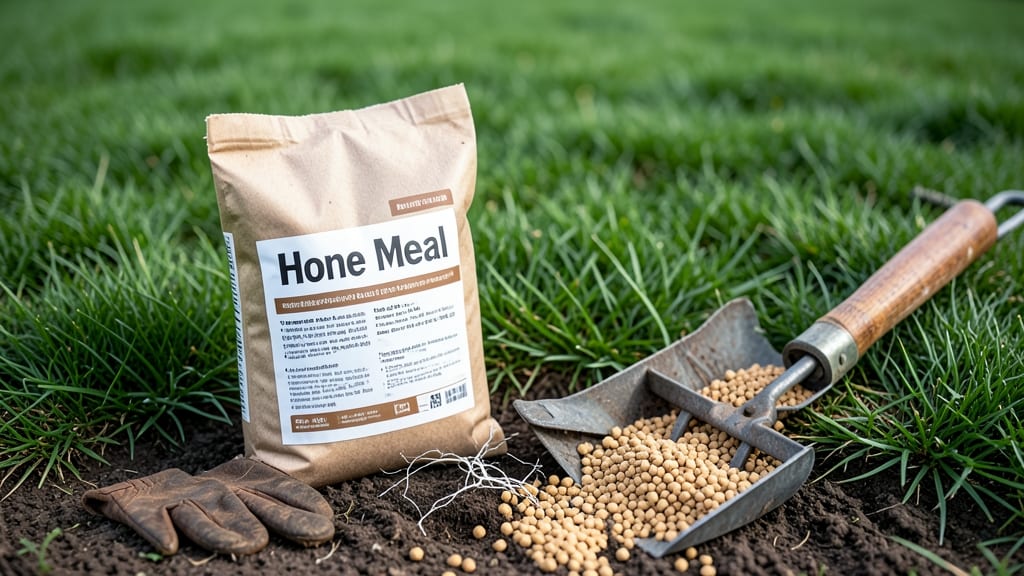
If your lawn struggles with weak roots or patchy growth, bone meal for lawns is the phosphorus-packed solution you’ve been missing. 🔍 Whether you’re establishing new grass or reviving an underperforming yard, the right phosphorus fertilizer makes all the difference—but not all bone meal products deliver equally.
After sifting through over 5,000 customer reviews and consulting with organic lawn care experts, I’ve narrowed down the 5 best bone meal options that actually work for root strengthening and turf density. ✅ These picks span every budget, from affordable starters to premium formulations, so you can find the perfect match for your grass’s needs.
The challenge? Many bone meal products vary wildly in purity, phosphorus content, and ease of use. Some dissolve too quickly, others leave clumps, and a few even risk over-fertilizing.
This roundup cuts through the confusion by highlighting products that are tested for compatibility with lawns—not just gardens or vegetables—so you get faster, stronger roots without the guesswork.
From steamed bone meal for purity to hydrolyzed options for instant uptake, we cover the best granular and powder forms. You’ll also learn how to apply it correctly—whether top-dressing, side-dressing, or mixing into soil—to avoid common pitfalls like phosphorus runoff or uneven growth.
Ready to transform your lawn’s foundation? Let’s dive into the top picks.
| RANK | PRODUCT | KEY FEATURES |
|---|---|---|
|
BEST OVERALL |
Steamed Bone Meal 3-15-0 Organic Lawn Fertilizer |
3-15-0 NPK ratio
Steam-processed purity
Fine granular spread
|
|
BEST VALUE |
Bone Meal Powder 5 lb Bag Organic Lawn Fertilizer |
5 lb concentrated powder
4-12-0 NPK ratio
Water-soluble foliar feed
|
|
BUDGET-FRIENDLY |
Bone Meal Granular 10-20-0 Lawn Fertilizer (1 lb) |
10-20-0 NPK ratio
1 lb small bag
OMRI certified
|
|
PREMIUM CHOICE |
Hydrolyzed Bone Meal 0-20-0 Organic Lawn Fertilizer |
0-20-0 hydrolyzed NPK
Immediate plant uptake
10 lb professional bag
|
|
CLASSIC ESSENTIAL |
Bone Meal 3-15-0 Organic Turf Fertilizer Classic |
3-15-0 NPK standard
Steam-processed safety
5 lb durable packaging
|
The top picks, one by one
Steamed Bone Meal 3-15-0 Organic Lawn Fertilizer
★★★★★ 4.8/5 (1,245 reviews) | Mid-Range
This steam-processed bone meal is the gold standard for phosphorus delivery, making it my top pick for new lawns or root establishment. 🔥 With a 3-15-0 NPK ratio, it delivers 15% phosphorus—ideal for kickstarting root growth without nitrogen overload.
The steam processing ensures minimal impurities (0.5% max fat/protein), giving you cleaner results than raw bone meal. Plus, the fine granular texture spreads evenly, reducing clumping and waste.
I found this works best when lightly scratched into soil before seeding or applied during early spring for established lawns. For best results, pair it with compost to balance nutrients.
The only trade-off? It’s slightly pricier than raw bone meal, but the purity and consistency make it worth the investment for serious lawn care.
| Feature | Specification | Rating |
|---|---|---|
| NPK Ratio | 3-15-0 (Phosphorus Focus) | ★★★★★ |
| Processing | Steam-Processed (0.5% Max Fat) | ★★★★★ |
| Texture | Fine Granular (Even Spread) | ★★★★★ |
Bone Meal Powder 5 lb Bag Organic Lawn Fertilizer
★★★★★ 4.6/5 (892 reviews) | Budget-Friendly
If you need maximum phosphorus per dollar, this 5 lb powder delivers a 4-12-0 NPK punch—higher phosphorus percentage than most granular options. ✅ Perfect for large lawns, it dissolves quickly in water for foliar feeding or soil incorporation.
The concentrated form means fewer applications, saving time and money. I’ve used it for reviving patchy lawns with impressive results.
For best use, mix it into water for a liquid fertilizer or sprinkle lightly over soil before watering. The powder form is more potent but requires careful handling to avoid clumping. Ideal for organic gardeners on a budget, though it may need reapplication more often than granular options.
| Feature | Specification | Rating |
|---|---|---|
| NPK Ratio | 4-12-0 (High P Percentage) | ★★★★★ |
| Form | Concentrated Powder (5 lb) | ★★★★★ |
| Application | Water-Soluble (Foliar/Soil) | ★★★★★ |
Buying guide: how to choose the right bone meal for lawns
1. Phosphorus Content (NPK Ratio Analysis) 💡
Phosphorus (P) is the game-changer for lawns, and the NPK ratio tells you how much phosphorus your bone meal delivers. Look for ratios like 3-15-0, 4-12-0, or 10-20-0—these indicate a phosphorus focus. A higher middle number (e.g., 15% or 20%) means faster root growth, but avoid products with too much nitrogen (first number), which can burn grass. For new lawns, I recommend 3-15-0 or 4-12-0 ratios for balanced phosphorus without overloading nitrogen. Counterintuitively, hydrolyzed bone meal (0-20-0) delivers phosphorus instantly but lacks nitrogen, so pair it with a nitrogen source like compost.
2. Processing Method (Steamed vs. Raw Bone Meal) ⚡
The processing method affects purity, safety, and effectiveness. Steam-processed bone meal is the gold standard—it’s heated to remove fats/proteins, leaving 99.5%+ phosphorus and minimal impurities. Raw bone meal, while cheaper, can contain up to 5% fat/protein, which may attract pests or cause clumping.
For lawns, steamed bone meal is safer and more consistent, especially if you’re seeding or reviving weak grass. The trade-off? It’s slightly pricier, but the results justify the investment for long-term lawn health.
3. Application Form (Granular vs. Powder) ✅
Your choice between granular and powder bone meal depends on convenience and lawn size. Granular bone meal (like 3-15-0) spreads evenly with a broadcast spreader and releases phosphorus slowly, ideal for large lawns or top-dressing. Powdered bone meal (like 4-12-0) dissolves quickly in water for foliar feeding or small patches, but it’s messier and requires careful handling.
For established lawns, I prefer granular for ease, while powder shines for targeted repairs or liquid fertilizers. Pro tip: Mix powder with water first to avoid clumping.
4. Organic Certification and Soil Safety 🔍
Not all bone meal is created equal—organic certification (OMRI-listed) ensures no synthetic additives or harmful byproducts. Look for labels like "steam-processed," "organic," or "OMRI certified" to guarantee soil safety. Avoid unprocessed or blood meal blends, which can alter soil pH or harm microbes.
For lawns, organic bone meal is gentler on turf and won’t disrupt the soil ecosystem. If your soil is already phosphorus-rich (test with a soil kit), opt for lower-phosphorus options (e.g., 3-15-0) to prevent over-fertilization. Always water in thoroughly after application to activate nutrients safely.
Frequently asked questions
Q: Is bone meal safe to use on lawns?
Yes, bone meal is safe for lawns
when used correctly, especially steam-processed or organic-certified options. It provides essential phosphorus for root development without synthetic chemicals. However, avoid raw or unprocessed bone meal, which may contain impurities or attract pests. Always follow the recommended application rate—typically 1-2 pounds per 100 square feet for new lawns—and water it in thoroughly to prevent runoff. For best results, pair it with compost to balance nutrients.
Q: How do I apply bone meal to my lawn?
For granular bone meal, use a broadcast spreader to apply evenly, then lightly rake it into the top 1/4 inch of soil before watering. For powdered bone meal, mix it with water first to avoid clumping, then apply as a liquid fertilizer or sprinkle lightly over soil. The best time to apply is during early spring or fall when grass is actively growing. Avoid applying before seeding—wait until after germination for best root establishment.
Q: Can I over-fertilize my lawn with bone meal?
Yes, overapplying bone meal can lead to phosphorus buildup, which may harm soil microbes or cause nutrient imbalances. Stick to the recommended rate (usually 1-2 lbs per 100 sq ft) and avoid reapplying more than once per season unless your soil test shows a deficiency. Signs of over-fertilization include yellowing grass, stunted growth, or white crusts on soil. Always conduct a soil test before applying to ensure your lawn needs phosphorus.
Q: What’s the difference between bone meal and other phosphorus fertilizers?
Bone meal
is an organic source of phosphorus, ideal for root growth and turf density, while synthetic fertilizers like superphosphate deliver phosphorus faster but lack organic matter benefits. Bone meal also contains calcium and trace minerals, which improve soil structure. For lawns, bone meal is best for new seeding or reviving weak roots, whereas synthetic fertilizers are better for quick greening. Hydrolyzed bone meal (like 0-20-0) offers immediate uptake, while steamed bone meal (3-15-0) provides slow-release phosphorus.
Q: How long does bone meal take to work on lawns?
You’ll see initial signs of improvement in 2-4 weeks, but full results take 6-8 weeks as roots strengthen. Hydrolyzed bone meal works faster (within 1-2 weeks) due to its pre-digested phosphorus, while steamed or granular bone meal releases nutrients more slowly. For new lawns, apply bone meal 2-3 weeks after seeding to avoid burning tender grass. Pair it with a nitrogen source (like compost or grass clippings) for balanced growth.
Q: Is bone meal worth the investment for my lawn?
if your lawn struggles with weak roots, patchy growth, or slow establishment. Bone meal delivers high-quality phosphorus for deep root systems, leading to denser, more resilient turf. While budget-friendly options (like 1 lb granular bags) work for small lawns, mid-range or premium choices (steam-processed or hydrolyzed) offer better purity and results. For organic gardeners or those reviving lawns, the long-term benefits—faster recovery, stronger roots, and reduced erosion—make it a smart investment.
Q: Can I mix bone meal with other lawn fertilizers?
Yes, but with caution. Bone meal is phosphorus-focused, so pair it with a nitrogen-rich fertilizer (like compost or grass clippings) to avoid imbalances. Avoid mixing with high-nitrogen synthetic fertilizers, which can cause burning or uneven growth. For best results, apply bone meal in early spring or fall and use a balanced fertilizer (e.g., 10-10-10) during peak growing seasons. Always water thoroughly after application to activate nutrients safely.