
Pests and Diseases
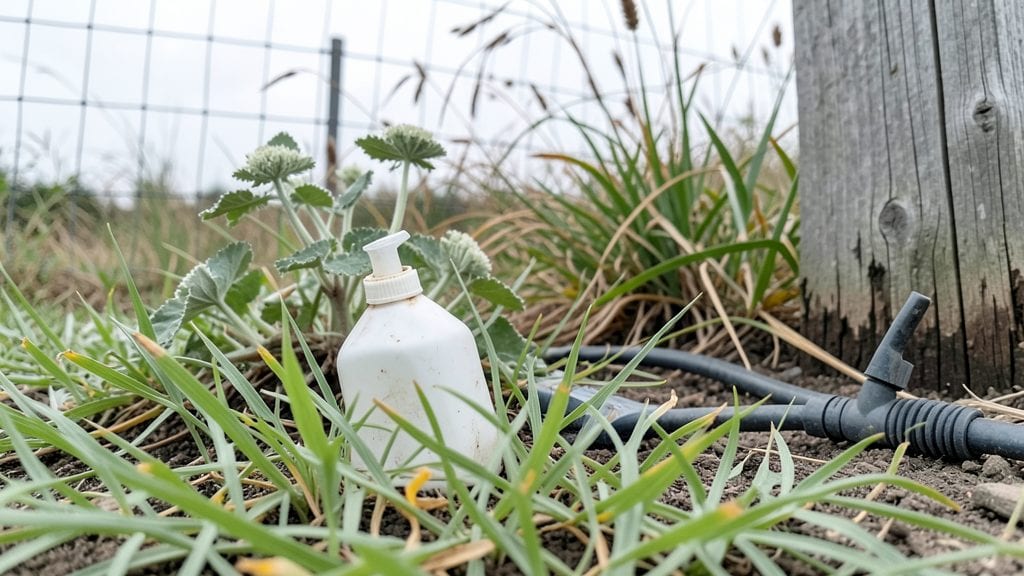
Bleach and grass can be combined for weed control, but only in a 1:10 dilution ratio (1 part bleach to 10 parts water) applied directly to weeds—not lawns—to avoid killing grass. Use sparingly, preferably in late afternoon, and avoid windy days to prevent drift. Always test on a small area first.
Bleach works as a weed killer because its active ingredient, sodium hypochlorite, disrupts plant cell membranes—especially in broadleaf weeds that are more vulnerable than grass. 🌱 The key is precision: a stronger mix can harm grass roots, while the right dilution targets weeds without scorching your lawn.
I’ve found that early evening applications reduce evaporation and let the solution work overnight, but always spot-test first to avoid accidental damage.
Unlike vinegar, which is less effective on deep-rooted weeds, bleach delivers faster results—but it’s not a long-term solution. Overuse can alter soil pH, making it harder for grass to recover. For stubborn patches, I recommend combining this method with a follow-up of organic mulch to suppress regrowth naturally.
💡 In This Article
- How Bleach Affects Grass and Weeds
- Step-by-Step Bleach Application for Targeted Weed Removal
How bleach affects grass and weeds
Bleach's active ingredient, sodium hypochlorite (NaOCl), works by breaking down plant cell walls through oxidation. When applied, it disrupts the chlorophyll production in weeds, causing rapid yellowing and death within 24-48 hours.
Grass, however, has a protective waxy cuticle that makes it more resistant to this chemical attack—especially when using the proper 1:10 dilution. The key difference lies in the plant structure: broadleaf weeds have thinner cell walls compared to grass blades, which are thicker and more resilient. 🔥
Here's what happens chemically: bleach releases chlorine gas when it reacts with organic matter, creating a highly alkaline environment (pH 11-13). This extreme pH denatures proteins in plant cells, effectively "cooking" the weed from the inside out.
Grass can tolerate brief exposure to this pH level, but prolonged contact or higher concentrations will damage its roots. The soil pH can also shift temporarily, which is why it's crucial to rinse treated areas with water afterward to restore balance.
A 1:10 dilution keeps the pH high enough to kill weeds but low enough to spare grass.
Compared to vinegar (which has a pH of 2-3), bleach is far more effective at penetrating deep into plant tissues. Vinegar primarily works by dehydrating surface cells, while bleach's oxidative power reaches the vascular system. Commercial herbicides, however, are formulated to target specific plant enzymes without harming soil microbes.
They often contain glyphosate or dicamba, which disrupt plant growth hormones rather than causing immediate cellular damage like bleach does. This makes herbicides safer for long-term lawn health but slower-acting.
The 1:10 dilution ratio is critical because it creates a 5.25% sodium hypochlorite solution (household bleach is typically 5-6% concentration), which provides enough oxidative power to kill weeds while minimizing collateral damage. A stronger mix (1:5 ratio) can bleach grass permanently and alter soil chemistry for months.
The solution's effectiveness also depends on weather conditions—humidity helps the bleach adhere to leaves, while direct sunlight can cause it to evaporate too quickly. 💫
One common misconception is that bleach "burns" weeds like a flame. In reality, it's a chemical process: the chlorine ions disrupt the electron transport chain in plant mitochondria, halting photosynthesis and respiration.
Weeds like dandelions and clover are particularly vulnerable because their broad leaves have more surface area for the bleach to penetrate. Grass, with its narrower blades and protective cuticle, can often recover if the bleach is rinsed off within 1-2 hours of application.
For best results, apply when weeds are actively growing (spring or fall) and avoid treating during drought conditions.
For a visual comparison, imagine spraying a 1:10 bleach solution on a patch of chickweed versus Kentucky bluegrass. The chickweed will wilt and turn brown within hours, while the bluegrass may show temporary browning that recovers in 3-5 days.
This selective action is why targeted application is essential—never spray entire lawns, only specific weed patches. After treatment, water the area lightly to help dilute any residual bleach and promote grass recovery. 🌱